

How to Choose the Right Size Run for Mixed Lots (2026)
Size run is the #1 factor that decides whether a mixed lot sells fast or becomes slow stock. This guide explains how to choose the best size run for mixed lots, how to read carton labels and packing details, and how to avoid “bad ratios” that hurt your cash flow.
Start here: Request a Wholesale Quote | Browse Wholesale Stock | Wholesale Shipping
Table of Contents
- 1) What a Size Run Means
- 2) Why Size Run Matters More Than Price
- 3) Real Size Run Examples (Carton Labels)
- 4) A Practical Size Ratio for Mixed Lots
- 5) Packing List & Carton Check (Before You Pay)
- 6) Common Size Run Mistakes
- Get a Suggested Size Run
1) What a Size Run Means
A size run is the size distribution inside your order. For example, a lot may include sizes 36–45, but the key is how many pairs you actually receive for each size.
Good size run = more pairs in best-selling sizes.
Bad size run = too many slow sizes (very small or very large sizes), which reduces sell-through.
2) Why Size Run Matters More Than Price
Many buyers focus on unit cost. However, the real profit comes from sell-through speed. If your best sizes sell quickly and slow sizes stay, your cash flow gets stuck and you are forced to discount.
- Right ratio = faster turnover + easier reorder
- Wrong ratio = slow inventory + margin loss
3) Real Size Run Examples (Carton Labels)
Before shipment, carton labels are one of the fastest ways to verify the real size run. Below are typical label-style size tables that show sizes and quantity per size.
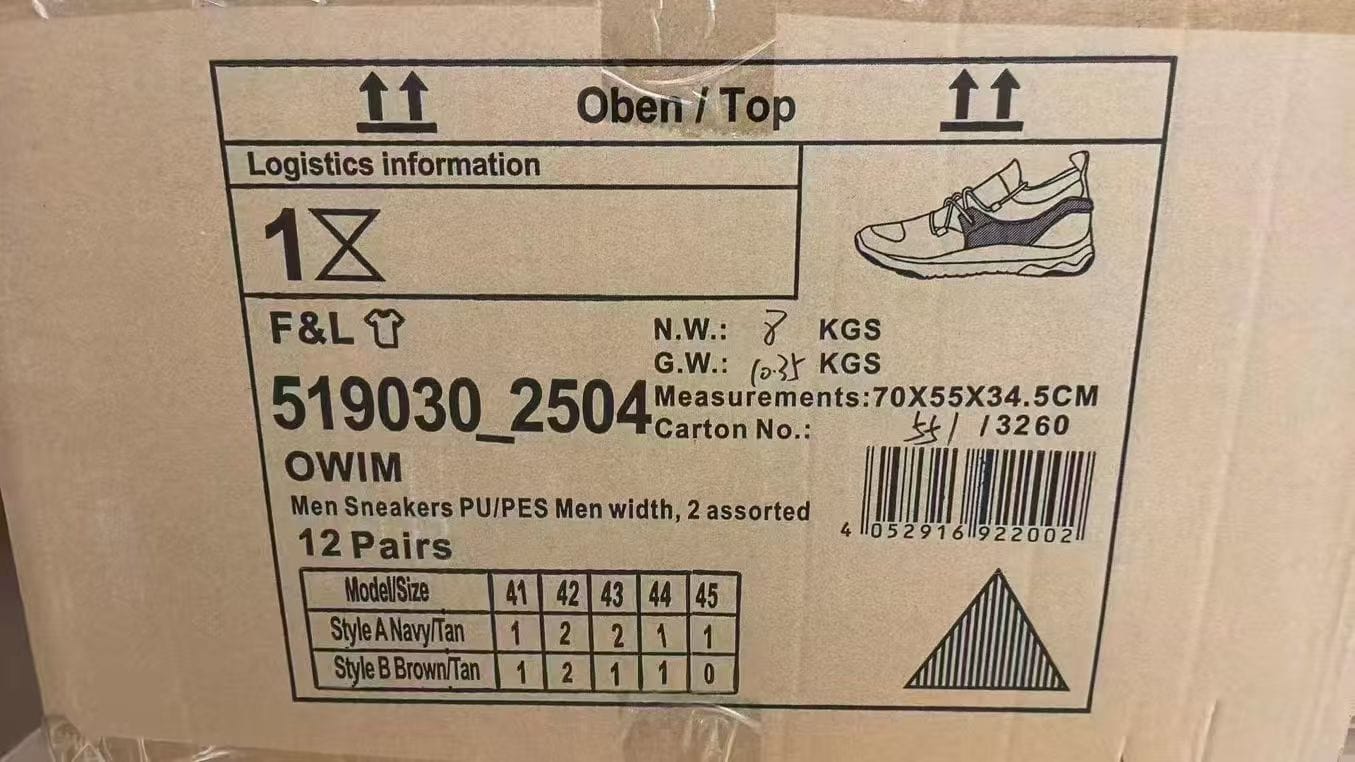
Example label: sizes with quantity per size (easy to verify the run).
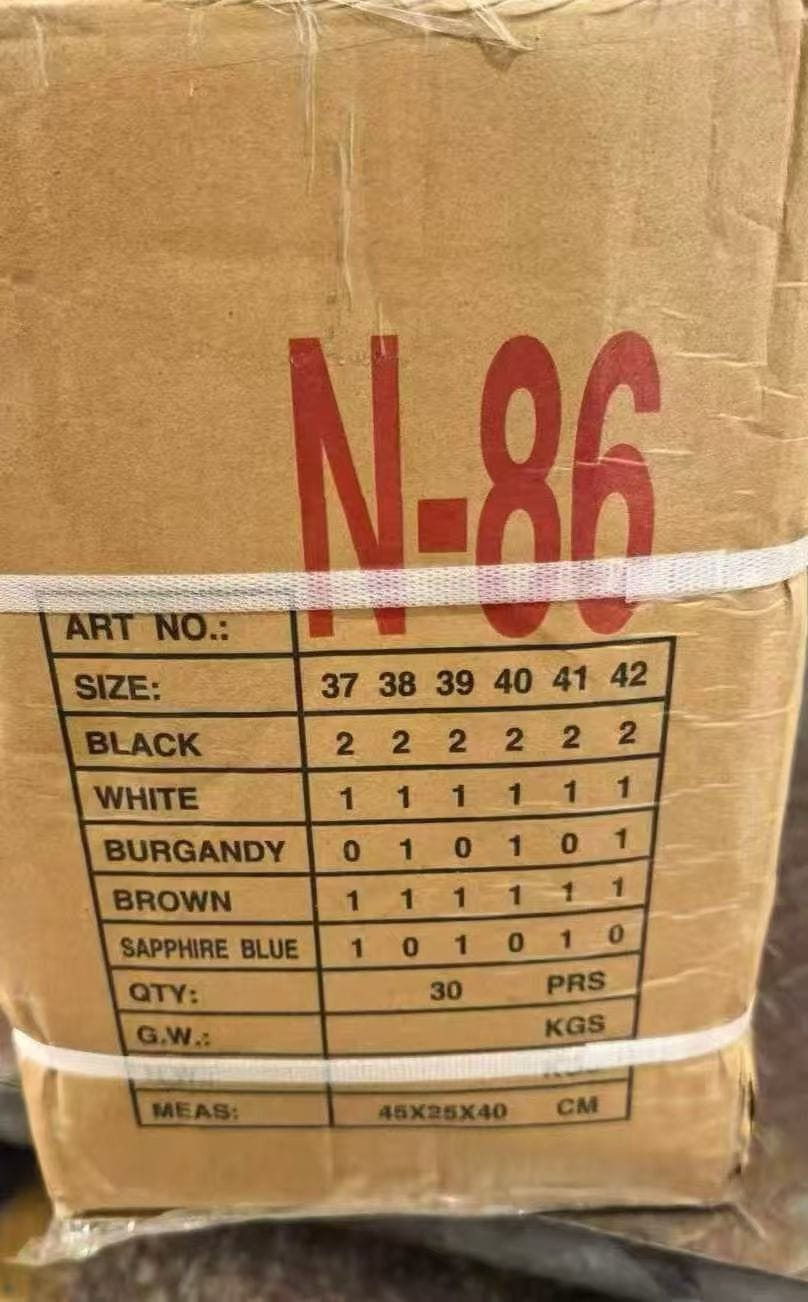
Example label: size run + color quantities (helps confirm mixed lot details).
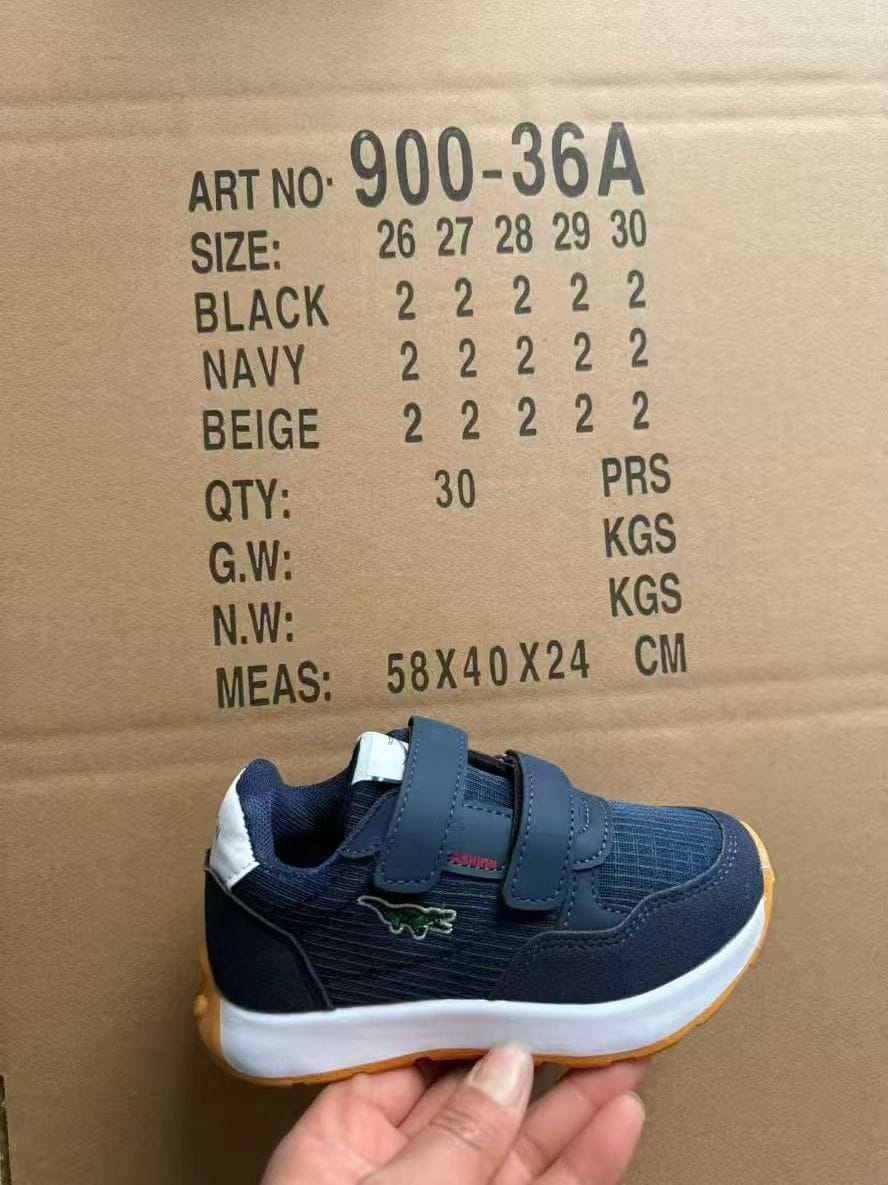
Kids size run example: always confirm the ratio for small sizes.
4) A Practical Size Ratio for Mixed Lots
Here is a beginner-friendly logic for EU sizes 36–45: increase mid sizes, reduce extreme sizes. Use it as a baseline and adjust by gender and category.
| Size Range | Suggested Share | Reason |
|---|---|---|
| 36–37 | 10–15% | Smaller demand, avoid overload |
| 38–41 | 50–60% | Main fast-selling range |
| 42–43 | 20–25% | Strong demand in many markets |
| 44–45 | 5–10% | Large sizes move slower |
Tip: Women’s styles usually need more small-to-mid sizes. Men’s styles usually need more 41–44. Mixed lots should keep mid sizes as the main volume.
5) Packing List & Carton Check (Before You Pay)
For wholesale mixed lots, do a simple “3-step verification” before final payment:
- Step 1: Confirm total pairs + carton count
- Step 2: Verify size run from carton labels or a clear ratio table
- Step 3: Ask for a short video opening random cartons (carton check)
 How to Choose the Right Size Run for Mixed Lots (2026)
Size run is the #1 factor that decides whether a mixed lot sells fast or becomes slow stock. This guide explains how to choose the best size run for mixed lots, how to read carton labels and packing details, and how to avoid “bad ratios” that hurt your cash flow.
Start here: Request a Wholesale Quote | Browse Wholesale Stock | Wholesale Shipping
Table of Contents
- 1) What a Size Run Means
- 2) Why Size Run Matters More Than Price
- 3) Real Size Run Examples (Carton Labels)
- 4) A Practical Size Ratio for Mixed Lots
- 5) Packing List & Carton Check (Before You Pay)
- 6) Common Size Run Mistakes
- Get a Suggested Size Run
1) What a Size Run Means
A size run is the size distribution inside your order. For example, a lot may include sizes 36–45, but the key is how many pairs you actually receive for each size.
Good size run = more pairs in best-selling sizes.
Bad size run = too many slow sizes (very small or very large sizes), which reduces sell-through.
2) Why Size Run Matters More Than Price
Many buyers focus on unit cost. However, the real profit comes from sell-through speed. If your best sizes sell quickly and slow sizes stay, your cash flow gets stuck and you are forced to discount.
- Right ratio = faster turnover + easier reorder
- Wrong ratio = slow inventory + margin loss
3) Real Size Run Examples (Carton Labels)
Before shipment, carton labels are one of the fastest ways to verify the real size run. Below are typical label-style size tables that show sizes and quantity per size.
Example label: sizes with quantity per size (easy to verify the run).
Example label: size run + color quantities (helps confirm mixed lot details).
Kids size run example: always confirm the ratio for small sizes.
4) A Practical Size Ratio for Mixed Lots
Here is a beginner-friendly logic for EU sizes 36–45: increase mid sizes, reduce extreme sizes. Use it as a baseline and adjust by gender and category.
| Size Range | Suggested Share | Reason |
|---|---|---|
| 36–37 | 10–15% | Smaller demand, avoid overload |
| 38–41 | 50–60% | Main fast-selling range |
| 42–43 | 20–25% | Strong demand in many markets |
| 44–45 | 5–10% | Large sizes move slower |
Tip: Women’s styles usually need more small-to-mid sizes. Men’s styles usually need more 41–44. Mixed lots should keep mid sizes as the main volume.
5) Packing List & Carton Check (Before You Pay)
For wholesale mixed lots, do a simple “3-step verification” before final payment:
- Step 1: Confirm total pairs + carton count
- Step 2: Verify size run from carton labels or a clear ratio table
- Step 3: Ask for a short video opening random cartons (carton check)